Universal Design for Learning (UDL)
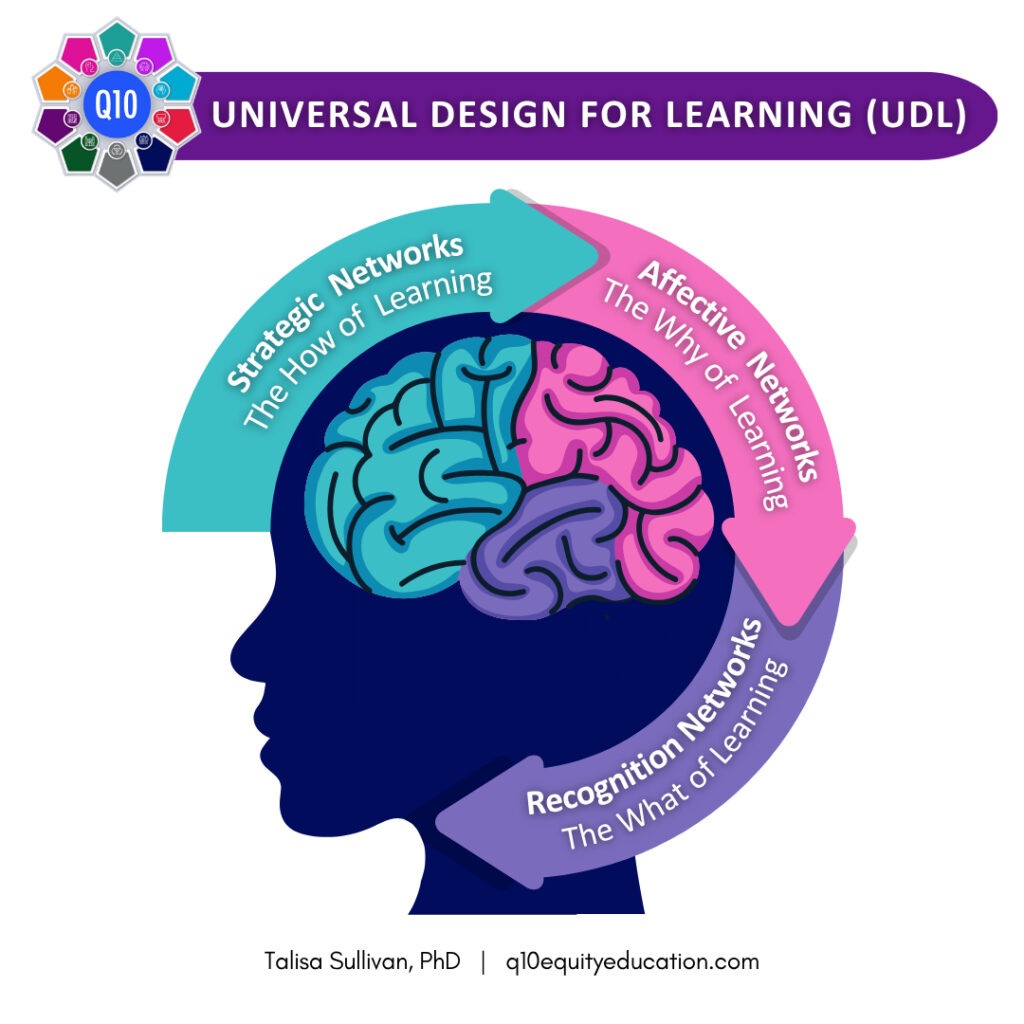
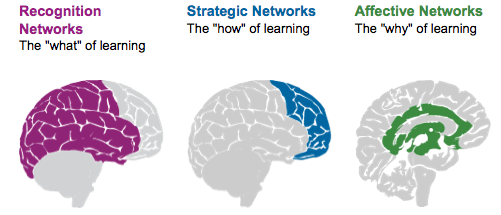
UDL is a framework developed by the Center for Applied Special Technology (CAST) to improve and optimize teaching and learning for all people based on scientific insights into how humans learn (CAST.org). UDL allows for students to learn in the learning preferences that best fits their learning needs. The principles of UDL are based on cognitive neuroscience. The three networks are:
- Affective Networks (Why): Engagement
- Recognition Networks (What): Representation
- Strategic Networks (How): Action & Expression
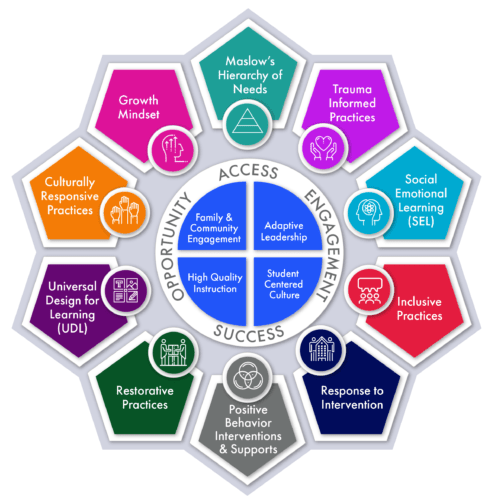
The Quantum 10 Elements
At the heart of Quantum 10 (Q10) are 10 foundational elements that collectively address diverse educational needs:
These elements form an interconnected system, ensuring educators leverage multiple lenses to create equitable, inclusive learning environments for every student.